

The New Sustainable Development Strategy
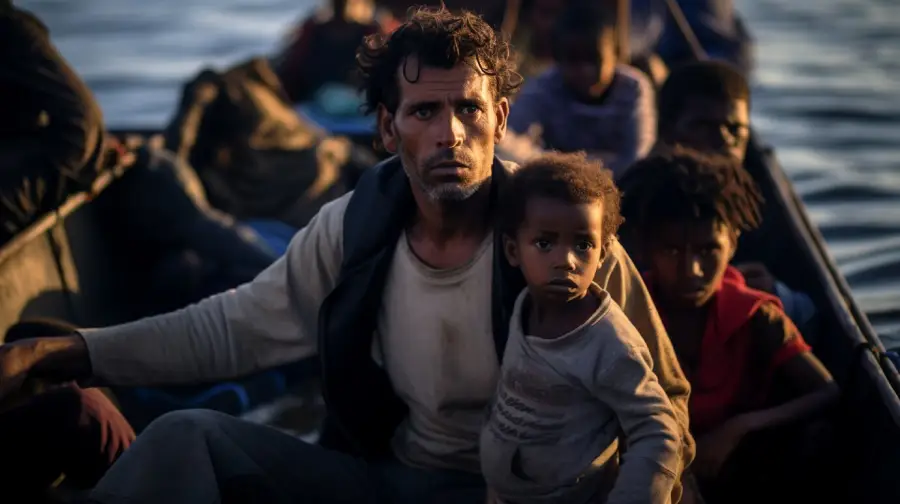
In recent years, illegal migration has claimed the lives of thousands of people who, desperate to seek a better life, have risked everything to reach Western countries. Current policies have proven insufficient to stem this phenomenon, and tragedies at sea and at land borders continue. However, a new strategy is emerging, one that promises not only to combat illegal migration but also to generate wealth and sustainable development in the countries of origin. This article explores this strategy and its implications.
Western Investment and Government Tutelage
One of the central ideas of this new strategy is for Western countries to invest directly in developing countries and assume a supervisory role in government management to ensure that these investments translate into tangible benefits for the local population. Instead of sending economic aid that often ends up being misused or diverted, the proposal is to invest in sustainable infrastructure, industry, and services.
Infrastructure Development
Investments would initially focus on the development of critical infrastructure such as roads, hospitals, schools, and water supply systems. Creating solid infrastructure is the first step toward any sustainable economic development. Infrastructure projects not only generate direct employment during their construction but also facilitate the growth of other economic sectors by improving connectivity and access to basic services.
Promotion of local industry
Industry is another fundamental pillar of this strategy. Western countries, with their vast technological knowledge and resources, can help establish and develop local industries. This includes the creation of special economic zones where factories and production plants can be built that leverage the natural and human resources of the country of origin.
For example, in countries with abundant mineral resources, refineries and processing plants could be built that not only generate employment but also increase the added value of exported products. This would reduce dependence on raw materials and increase the country's economic resilience.
Sustainable Services and Green Technologies
Sustainability is a key component of this approach. Investments in renewable energy sources such as solar and wind can provide a reliable and clean energy supply, vital for industrial development and population well-being. Furthermore, healthcare and education services can greatly benefit from the adoption of modern technologies that improve the efficiency and quality of services provided.
Western countries can provide not only the funding, but also the knowledge and training necessary for the implementation and maintenance of these technologies. This would ensure that the benefits of these investments are sustained over the long term.
Termination of Traditional Financial Aid
A controversial but crucial point of this strategy is the end of traditional financial aid. These aids, although well-intentioned, have often failed to achieve the desired results. In many cases, they have perpetuated a dependency that inhibits autonomous and sustainable development.
Wealth and Employment Creation
Instead of financial aid, the new strategy focuses on wealth and job creation through direct investment in productive projects. This not only provides immediate livelihoods for the local population but also lays the foundation for sustained economic growth. Job creation is particularly crucial, as the lack of job opportunities is one of the main causes of emigration.
Basic Services for a Just Society
The provision of basic services such as health, education, and social security is essential to the well-being of any society. These services must be accessible to all citizens, regardless of their economic situation. Investments in these sectors not only improve the population's quality of life but also strengthen social cohesion and political stability.
Education and Training
Education is a powerful tool for development. Western countries can support developing countries by creating modern and accessible education systems. Furthermore, technical and vocational training programs can prepare the workforce for the jobs of the future, ensuring that young people have the skills necessary to participate in the global economy.
Health and Wellness
A robust health system is essential for the development of any country. Investments in health infrastructure, training of medical professionals, and health technologies can ensure that the population has access to quality health services. This not only improves the overall health of the population but also increases productivity and reduces poverty.
Governance and Transparency
Western countries' stewardship of governments includes the implementation of good governance and transparency practices. This ensures that investments are used efficiently and that the benefits reach the population. Corruption is one of the biggest obstacles to development, and a focus on transparency and accountability is essential to overcoming this challenge.
Long Term Results
Implementing this strategy requires time and effort, but the long-term benefits are undeniable. By creating wealth and employment, improving infrastructure and basic services, and ensuring transparent and efficient governance, developing countries can achieve a standard of living that discourages their citizens from emigrating illegally.
Conclusion
Illegal migration is a complex problem that requires innovative and sustainable solutions. Direct investment in sustainable infrastructure, industry, and services, along with government oversight to ensure efficient governance, offers new hope for combating this phenomenon. By creating wealth and opportunities in countries of origin, we not only reduce illegal migration but also improve the quality of life of millions of people, laying the foundations for a more just and prosperous future for all.
En Integrates the Internet We believe in transparency, innovation, and digital trust. That's why we offer you this section of links of interest, where you can easily access all the information you need to learn more about our services, contact our team, or discover external resources relevant to the digital sector.